
Conheça a família dos preás e das capivaras
As capivaras, mocós, preás e porquinhos-da-índia fazem parte da mesma família, chamada Caviidea. Quando comparados a grosso modo, as capivaras podem parecer muito diferentes dos porquinhos-da-índia, mas em termos anatômicos, possuem várias características em comum, como a estrutura do crânio, caudas atrofiadas, ausência de clavívula e etc.
No Brasil, são encontradas apenas 8 espécies destes animais, sendo 5 de preás, uma de capivaras e duas de mocós.
Preás
Os preás fazem parte da subfamilia Caviinae composta por três gêneros, no Brasil, dois são encontrados: o Galea e o Cavia.
Preá-do-sertão (Galea spixii)
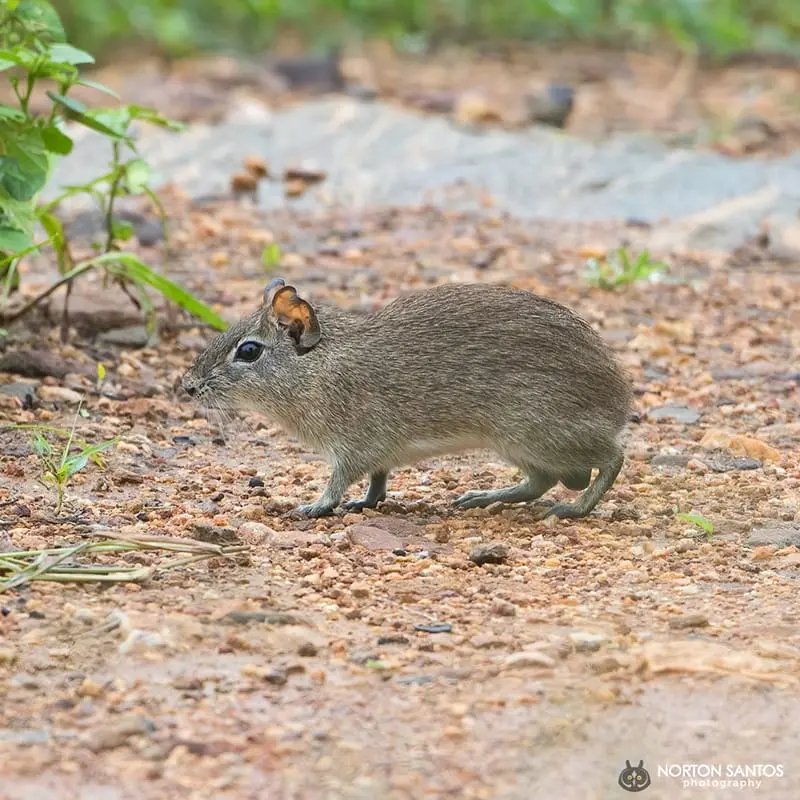
Originalmente, foram descritas quatro espécies muito parecidas entre si. Mas através de estudos genéticos foi proposto que, na verdade, existam somente duas do gênero, com apenas o G. spixii ocorrendo no Brasil, nas áreas de cerrado e caatinga — sendo um dos mamíferos mais abundantes da caatinga.
Tem hábito crepuscular e vive em bandos. Se alimenta de folhas, plantas rasteiras, ramos, tubérculos e cascas de árvores jovens.
Cavia intermedia
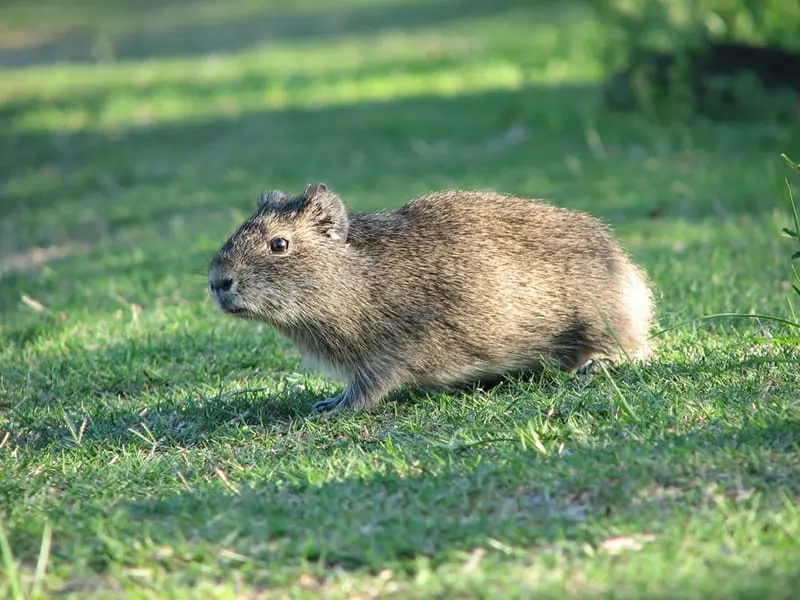
Apesar de diferirem fisicamente dos preás do gênero Galea, são popularmente conhecidos pelo mesmo nome. Pertencem a este gênero cerca de nove espécies, (inclusive a dos porquinhos-da-índia), das quais quatro podem ser naturalmente encontradas no Brasil.
Uma das espécies desse gênero é a Cavia intermedia. Esses pequenos roedores foram descobertos em 1989 no arquipélago de Moleques do Sul, no estado de Santa Catarina — o único lugar que habitam. A ilha em que foram encontrados possui cerca de 10 hectares. Entretanto, boa parte do terreno é rochoso, deixando apenas 1 hectare disponível para esses animais sobreviverem.
São um dos animais mais raros do mundo e estima-se que sua população seja de no máximo 50 indivíduos. Com um número tão baixo, praticamente não há mais diversidade genética — o que normalmente levaria a doenças e deformações genéticas e a extinção da espécie. No entanto, a espécie conseguiu superar esse obstáculo e a deformação causada pelo endocruzamento já não existe. O fato de esses animais viverem tão bem em um grupo e espaço tão pequenos foi motivo de grande surpresa na comunidade científica.
Apesar deste obstáculo ter sido superado, uma população tão pequena pode ser rapidamente dizimada caso qualquer animal predador como um cão ou gato seja acidentalmente introduzido na ilha. Sendo assim, é considerada uma espécie em perigo crítico de extinção.
Outra subfamília de Cavideos encontrados no Brasil é a Hydrochoerinae. Fazem parte dela os gêneros das capivaras (Hydrochoerus) e os mocós (Kerodon).
Capivaras
Existem duas espécies de capivaras: a capivara brasileira (H. hydrochaeris) e a capivara-menor que possui metade do tamanho da capivara brasileira. (H. isthmius) É encontrada em na Colômbia, Venezuela e Panamá.
Hydrochoerus hydrochaeris
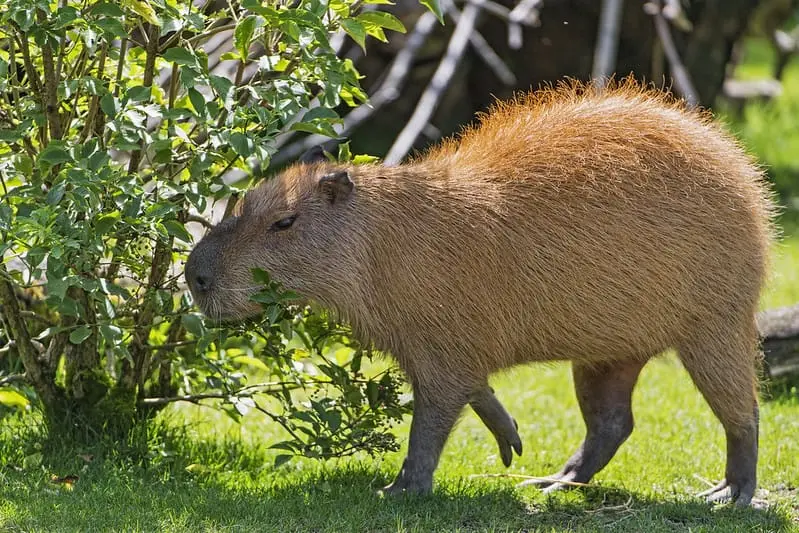
A capivara é sem dúvida um dos animais mais conhecidos do Brasil. Habita todo o território nacional, com exceção de parte da caatinga. As capivaras são os maiores roedores do mundo, pesando em média 50 kg e medindo até 1,2 m de comprimento e 60 cm de altura.
Em contraste com outros membros de sua família taxonômica, possuem membranas interdigitais que as tornam excelentes nadadoras. Assim, podem passar a maior parte do dia forrageando plantas aquáticas dos lagos e rios.
É um animal muito sociável e que geralmente anda em grupos de 10 a 20 indivíduos. Além disso, é um animal facilmente adaptável e que pode viver em quase toda a região tropical que tenha lugar onde tenha um corpo de água grande o suficiente para realizarem suas atividades diárias - inclusive em cidades adensadas e grandes metrópoles.
Mocós
Existem duas espécies de mocós, uma delas (Kerodon acrobata) só pode ser encontrada na divisa entre os estados de Goiás, Tocantins e na Bahia. É uma espécie tão pouco conhecida que inclusive seu estado de conservação é desconhecido.
Kerodon rupestris
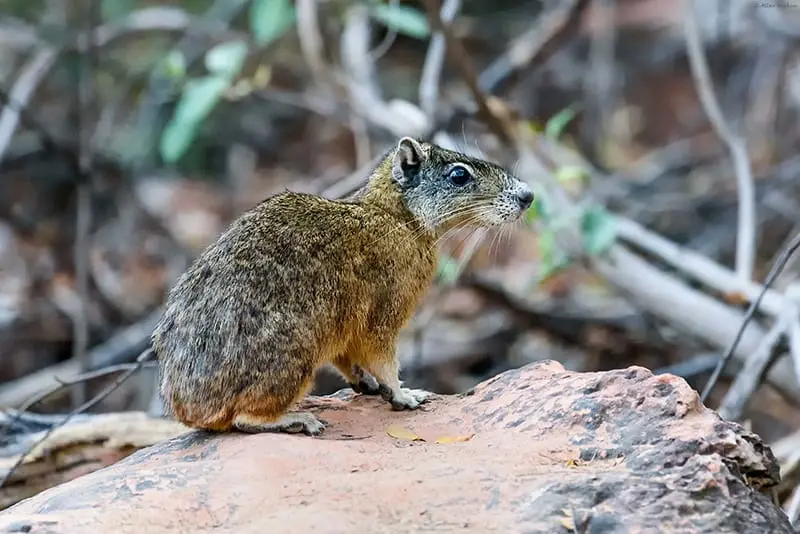
Os mocós são um pouco maiores do que os preás, possuindo cerca de 40 cm e até 1 kg. Habitam toda a região da Caatinga em áreas descampadas e pedregosas. Os mocós podem ser classificados como herbívoros generalistas, já que se alimentam de folhas, flores, frutos, brotos de ramos. Quando a vegetação encontra-se seca e escassa, passam a se alimentar de cascas de árvores como mofumbo, parreira brava e faveleira, conseguindo pular de galho em galho à procura de seu alimento.
Os mocós são grandes alvos da caça ilegal. Segundo o Livro Vermelho da Fauna Brasileira Ameaçada de Extinção (ICMBio), suas populações diminuíram 30% nos últimos 30 anos, sendo provável que tenha sido extinto em algumas áreas não protegidas.
As cutias, pacas e pacaranas são parentes um pouco mais distantes das capivaras. Apesar de serem animais de certa forma semelhantes, são parte de famílias diferentes. Serão apresentadas na continuação deste texto .
Leia mais em:
Revisão Taxonômica do Gênero Galea Meyen, 1832 (Rodentia, Caviidae, Caviinae)
Cavia aperea Brazilian guinea pig
Espécie de preá sobrevive sem variedade genética
Origem e Distribuição Intraparenquimal da Artéria Hepática do Preá (galea Spixii Wagler, 1831)
Diane L. Rowe, Rodney L. Honeycutt, Phylogenetic Relationships, Ecological Correlates, and Molecular Evolution Within the Cavioidea (Mammalia, Rodentia), Molecular Biology and Evolution, Volume 19, Issue 3, March 2002, Pages 263–277,https://doi.org/10.1093/oxfordjournals.molbev.a004080
Filogeografia e citogenética do gênero Kerodon (CUIVER, 1825) (RODENTIA: CAVIIDAE)